Dead Sea Minerals vs. European Thermal Spring Water: A Comparison for Formulators
Introduction
Walk down the dermocosmetics aisle of any European pharmacy, and you’ll see it immediately: entire product lines built around a single ingredient story — water from a specific French thermal spring. Avène, La Roche-Posay, Vichy, and Uriage have spent decades turning “thermal spring water” into one of the most recognized ingredient claims in skincare.
Dead Sea minerals occupy a similar space in the natural ingredient world — a geographically specific, mineral-rich source with its own therapeutic reputation. But for formulators deciding between the two, or considering how to position a Dead Sea-based line against Europe’s thermal water category, the comparison isn’t as simple as “both are mineral water.” The two ingredient categories are built on very different mineral concentrations, work through different mechanisms, and suit different product formats entirely.
This guide breaks down the real differences for formulators evaluating Dead Sea mud and salt against the European thermal spring water benchmark.
What Is European Thermal Spring Water, Exactly?
Thermal spring water is groundwater that rises naturally to the surface after slowly filtering through mineral-rich rock formations over long periods — in some cases, water that has taken centuries to reach the surface. As it travels, it picks up trace minerals specific to the geology it passes through, which is why each spring (and each brand built around it) markets a distinct mineral signature.
The mineral concentration in these waters is relatively low. Avène’s spring water, for example, is a low-mineral-content water valued for its gentleness and selenium content, while Vichy’s is markedly higher in total mineral content among the major French thermal brands, though still dilute compared to seawater. This is by design: these waters are formulated to be used liberally — as face mists, toners, or a high-percentage base in finished formulas — precisely because their mineral load is low enough not to irritate even reactive, compromised skin.
What Makes Dead Sea Minerals Different?
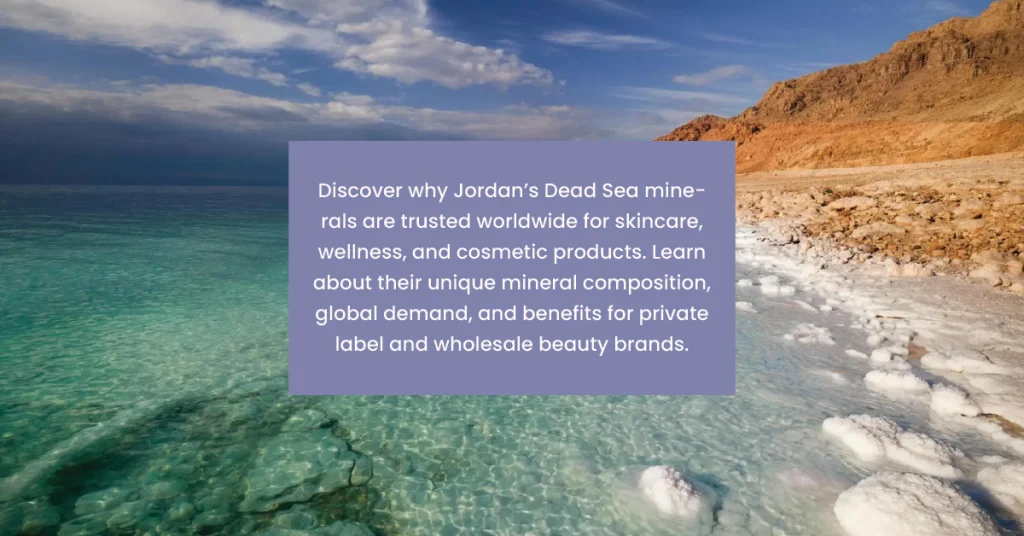
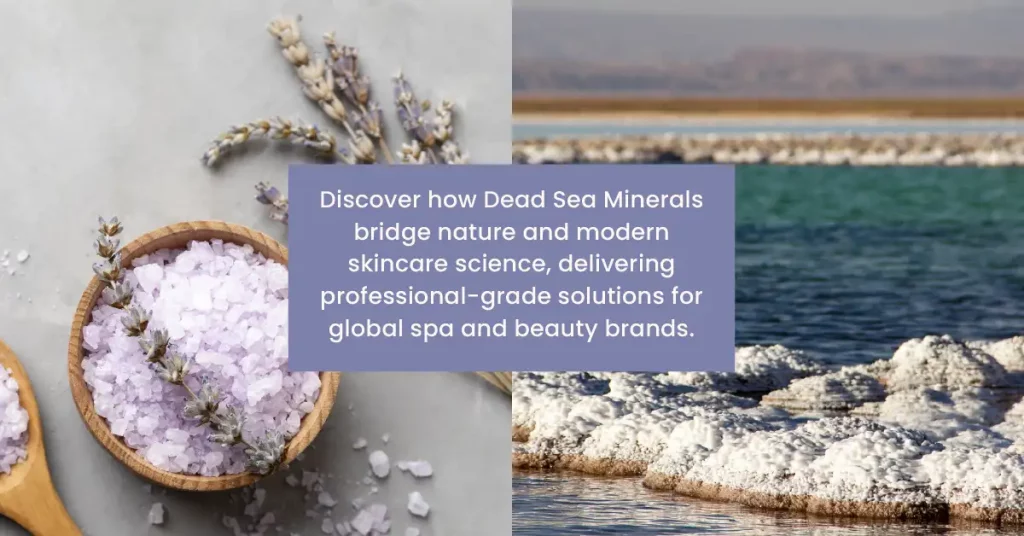
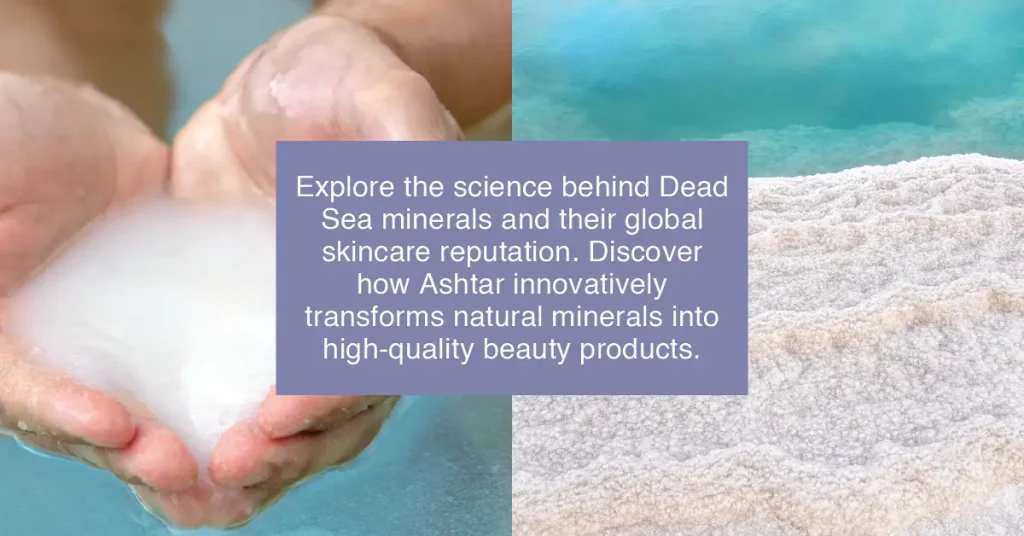
Dead Sea mud and salt come from the opposite end of the concentration spectrum. The Dead Sea is a landlocked, hypersaline body of water with no natural outlet, and thousands of years of evaporation have concentrated its mineral content to roughly ten times that of ordinary seawater — magnesium, calcium, potassium, sodium, bromide, and sulphate, all present at levels far beyond what any spring water contains.
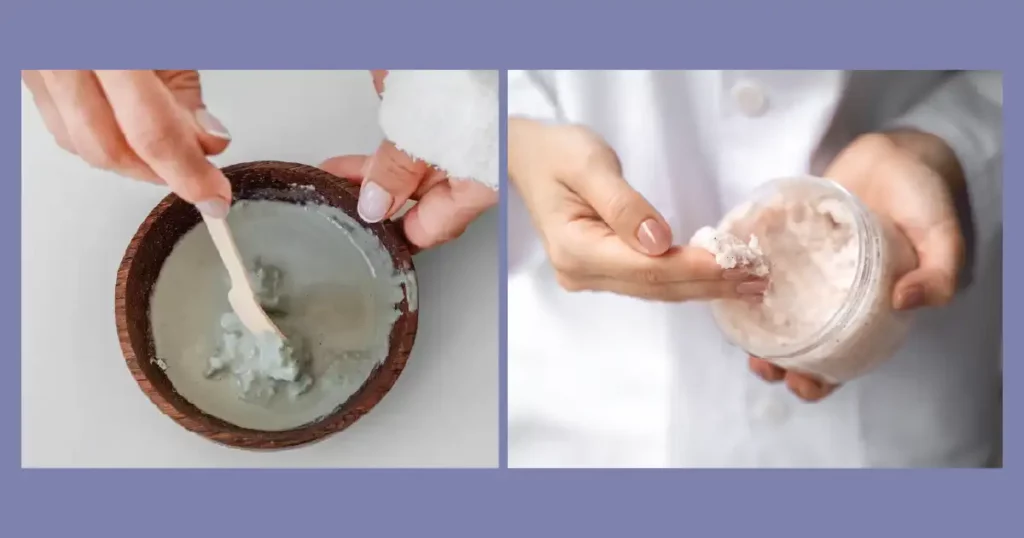
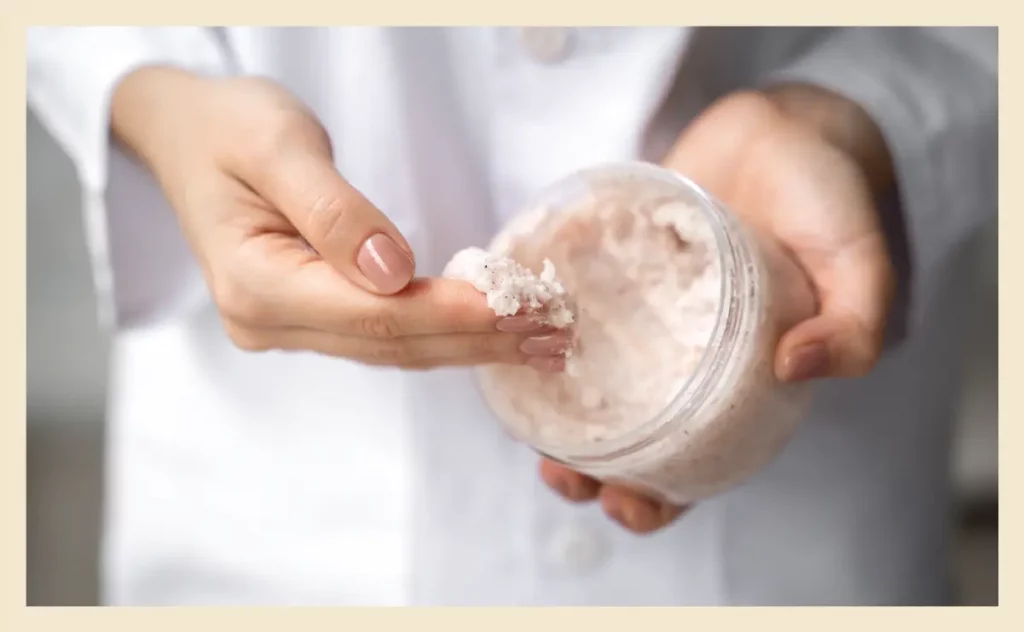
This isn’t a diluted, sippable mineral profile. It’s a concentrated raw material, which is exactly why Dead Sea mud and salt are used differently in a formula: as an active ingredient in a mask, scrub, bath salt, or spot treatment, rather than as a high-percentage liquid base sprayed directly onto the face multiple times a day.
Side-by-Side: Formulation Characteristics
European Thermal Spring Water | Dead Sea Minerals (Mud & Salt) | |
Mineral concentration | Low to moderate | Extremely high — roughly 10x seawater |
Typical form in formula | Liquid, used as a base or high-inclusion ingredient | Solid/semi-solid mud or crystalline salt, used as an active |
Typical product formats | Face mists, toners, high-water-content creams | Masks, body scrubs, bath salts, spot treatments |
Primary formulation role | Soothing, calming, antioxidant support (notably selenium) | Detoxifying, exfoliating, mineral-intensive therapeutic action |
Skin sensitivity profile | Formulated for daily, liberal use on reactive/compromised skin | Formulated for periodic, targeted, higher-intensity use |
Geographic exclusivity | Multiple recognized European sources (France, Spain) | Effectively two sources worldwide — Jordan and the West Bank/ side |
COSMOS/Ecocert organic eligibility | Not certifiable as organic — falls under COSMOS’s “water” category | Not certifiable as organic — falls under COSMOS’s “minerals” category |
REACH applicability | Applies as an imported/manufactured substance in the EU | Applies as an imported/manufactured substance in the EU |
The Regulatory Overlap Formulators Should Know
Here’s a detail that surprises many formulators: neither category can be certified “organic” under COSMOS. Water and minerals are both explicitly non-organic-eligible categories under the standard — organic certification is rooted in agricultural origin, and neither a spring nor a hypersaline lake is a farm. Thermal spring water brands don’t market themselves as “organic” for exactly this reason; they lean on “natural origin” and clinical/dermatological credibility instead. Dead Sea ingredient brands should take the same approach, and for the same underlying reason.
Both categories are also subject to REACH once imported into the EU above the one-tonne threshold, regardless of whether the source is a French spring or the Jordanian Dead Sea. Origin doesn’t create an exemption — geography affects the mineral story, not the compliance obligation.
Positioning: Gentle Daily Ritual vs. Intensive Mineral Treatment
The clearest way to think about the difference is to use frequency and intensity, not “which is better.”
Thermal spring water brands have built their entire category around gentleness and daily repeatability — a product you can mist on multiple times a day, every day, indefinitely, without overwhelming the skin barrier. That’s the direct result of a low, well-tolerated mineral concentration.
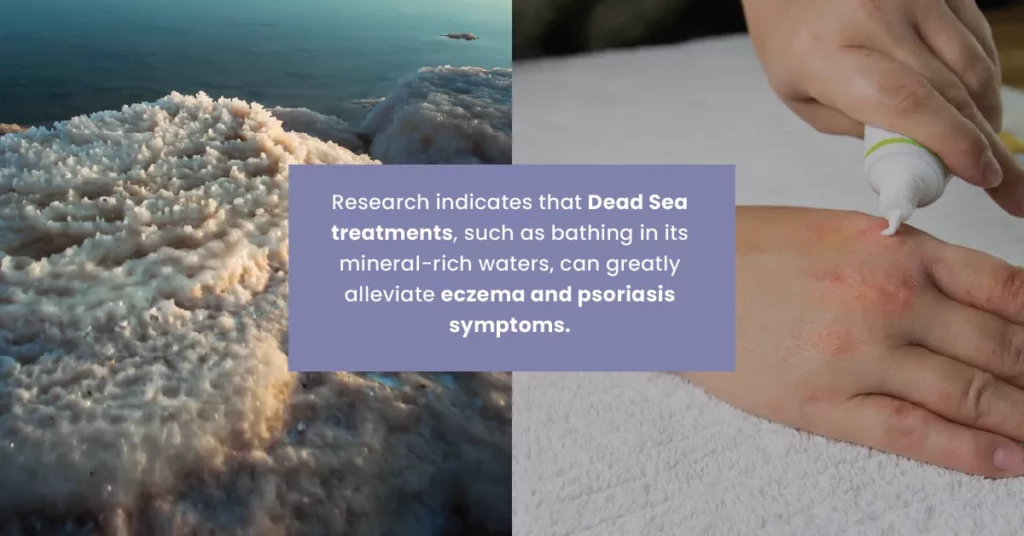
Dead Sea mud and salt occupy the opposite, equally valid position: concentrated, periodic, intensive treatment. A mud mask used twice a week, or a salt scrub used in a spa treatment, isn’t meant to replace a daily toner — it’s meant to deliver a mineral dose thermal spring water simply doesn’t carry. This is precisely why Dead Sea ingredients dominate detox, muscle-recovery, and therapeutic skin-condition categories (psoriasis, eczema, dermatitis) that dilute thermal waters aren’t concentrated enough to meaningfully address.
For a formulator, this means the two ingredient categories aren’t really competitors — they’re complementary positions in a routine. A brand could reasonably use both: a light mineral mist for daily use, and a Dead Sea mud mask as the weekly intensive step.
What This Means for Sourcing Decisions
For European brands evaluating whether to build around a thermal spring water story or a Dead Sea mineral story, the decision usually comes down to product format and claim strategy, not raw material superiority:
- Choose thermal spring water if the goal is a gentle, daily-use, sensitive-skin-focused line — toners, mists, hydrating bases
- Choose Dead Sea minerals if the goal is an intensive, treatment-focused, spa-positioned line — masks, scrubs, bath salts, targeted therapeutic products
- Combine both if building a multi-step routine that needs a gentle daily layer and a concentrated intensive layer
Sourcing Dead Sea Minerals as a Formulator
Working with Dead Sea mud and salt as a raw material requires the same diligence as sourcing any concentrated mineral ingredient: verified mineral composition data, consistent purity across batches, and manufacturing you can trust for both quality and regulatory documentation.
Ashtar’s manufacturing is ISO-compliant, Cruelty-Free certified, and fully approved by Jordan’s Ministry of Health and the JFDA. We supply Dead Sea mud, salt, and related raw materials to European formulators building both standalone Dead Sea product lines and multi-ingredient formulas that pair mineral-intensive actives with lighter, daily-use ingredients — and we support our European partners with the composition data, sourcing documentation, and technical information needed for their own compliance and certification work, including REACH and COSMOS submissions for their finished products.
Conclusion
Dead Sea minerals and European thermal spring water both trade on a natural mineral story, but they’re built for different jobs in a formula. Thermal spring water wins on gentleness and daily repeatability; Dead Sea mud and salt win on concentration and therapeutic intensity. For formulators, the smartest approach isn’t choosing one over the other — it’s understanding which role each ingredient is actually suited to play, and sourcing accordingly.